Eメール
Eメール 日本語
日本語 English
 français
 Deutsch
 русский
 italiano
 español
 português
 العربية
 한국의
한국의 中文
中文


-
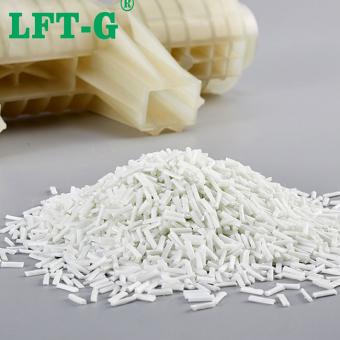
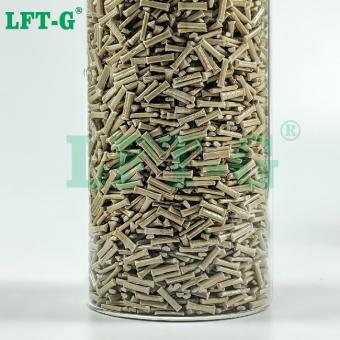
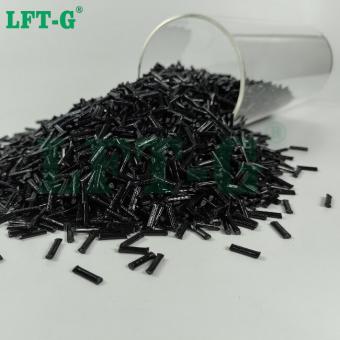
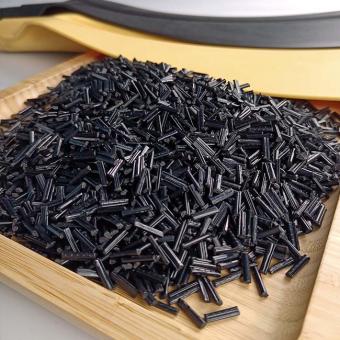
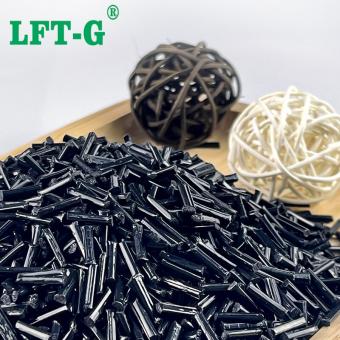
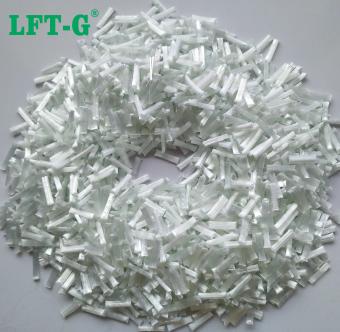
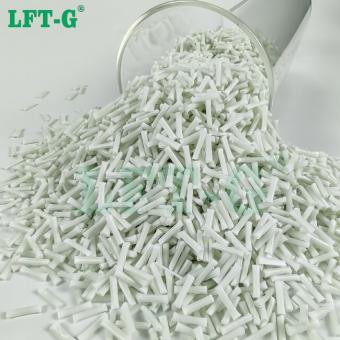
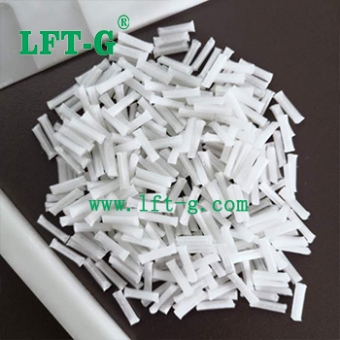
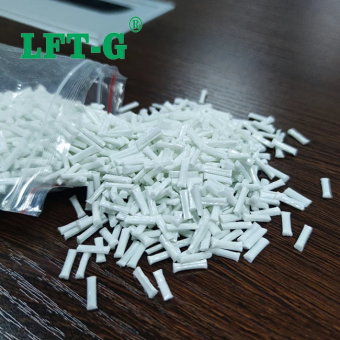
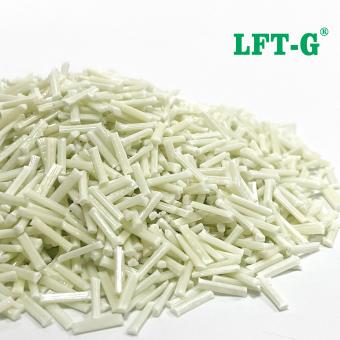
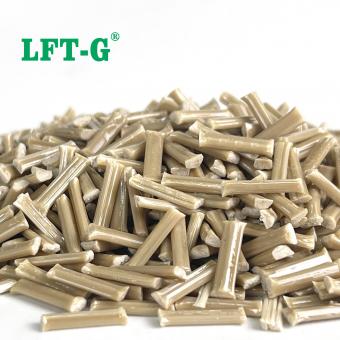
厦門LFT-G PLAポリ乳酸複合長ガラス繊維充填熱可塑性樹脂原色PLAプラスチック | 長ガラス繊維強化PLA(PLA-LGF) PLAとは何ですか? ポリ乳酸( 人民解放軍 )は、無公害プロセスで製造される、生分解性で環境に優しいポリマープラスチックです。PLAは環境中で自然に分解・リサイクルされるため、理想的なグリーンポリマー素材であり、最も代表的な生分解性プラスチックの一つです。 PLAの構造と耐熱性 PLAの分子構造は、耐熱性、靭性、機械的強度、分解性、生体適合性に影響を与えます。PLAは活性の低い螺旋状分子鎖を持つため、射出成形後の結晶化が遅く、耐熱性も比較的劣ります。また、熱処理中にエステル結合が部分的に切断され、末端カルボキシル基が生成され、熱分解が促進されることがあります。 長ガラス繊維(LGF)強化PLA 長ガラス繊維でPLAを補強する( PLA-LGF )は、機械的強度、剛性、耐熱性を向上させます。繊維は骨格支持体として機能し、加熱時のポリマー鎖の動きを制限し、熱安定性を高めます。 PLA強化用繊維の種類 PLA 強化に使用される繊維には以下のものがあります。 天然植物繊維:サイザル麻、亜麻、リネン、竹、ココナッツ、木質繊維 動物繊維:シルク 鉱物繊維:玄武岩繊維 化学繊維:ガラス繊維、炭素繊維 ガラス繊維と炭素繊維は、その高い強度と弾性率から広く使用されています。一方、天然繊維は生分解性と再生可能な資源であることから好まれています。PLAをブレンドした改質繊維は、ビカット軟化温度が140℃を超えることが示されています。 短繊維(SGF)と比較して 長ガラス繊維強化PLAは、短繊維(SGF)強化PLAと比較して優れた機械的特性を示します。長繊維強化PLAは、短繊維強化PLAと比較して1~3倍の靭性、0.5~1倍の引張強度と剛性を備えており、大型構造部品に適しています。 PLA-LGFの射出成形 ラボとテスト 倉庫と保管 認証 厦門LFT複合プラスチック株式会社について 厦門LFT複合プラスチック株式会社は、長繊維強化熱可塑性プラスチック(LFT)を専門としており、 人民解放軍
- PLA複合プラスチックはリサイクル可能
- ポリ乳酸材料の射出成形
- 改質PLA化合物
- pla長繊維ガラス強化プラスチック樹脂
- 長繊維ガラス充填プラサンプルあり
- lft-g pla lgf 低反り
タグ :
-
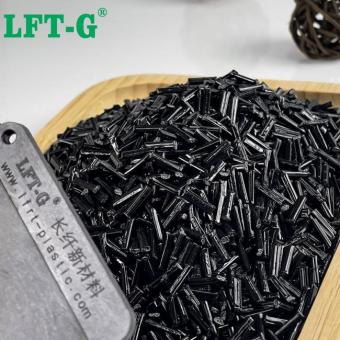
LFT-G ポリアミド12長炭素繊維強化複合ナイロン(自動車部品用)長炭素繊維 炭素繊維は、極めて高い軸強度と弾性率、低密度、優れた比性能など、優れた特性を備えています。クリープ現象がなく、優れた耐疲労性と耐腐食性を備え、非酸化環境下において非常に高温でも安定性を維持します。また、優れた電気伝導性と熱伝導性、効果的な電磁シールド性、低い熱膨張係数、そして強い異方性も備えています。 従来のガラス繊維と比較して、炭素繊維は ヤング率の3倍 そしておよそ アラミド(ケブラー)繊維の2倍の弾性率 有機溶剤、酸、アルカリに対して不溶性で膨潤しないため、腐食性や要求の厳しい環境に非常に適しています。 炭素繊維の用途コストを削減する効果的な方法の一つは、ナイロンなどのエンジニアリングプラスチックと組み合わせ、コストパフォーマンスのバランスが最適化された高性能複合材料を開発することです。その結果、炭素繊維強化ナイロンは現代の複合工学において重要な材料システムとなっています。 ナイロン自体は高性能エンジニアリングプラスチックですが、吸湿性、寸法安定性の限界、そして金属に比べてはるかに劣る機械的特性といった問題を抱えています。これらの限界を克服するために、1970年代から繊維強化が進められてきました。炭素繊維強化ナイロンは、強度、剛性、熱安定性、耐クリープ性、耐摩耗性、寸法精度を大幅に向上させます。ガラス繊維強化ナイロンと比較して、炭素繊維強化ナイロンは優れた減衰特性と総合的な機械性能を備えています。 そのため、近年、炭素繊維強化ナイロン(CF/PA)複合材料が急速に発展しています。特に、積層造形においては、 SLS(選択的レーザー焼結) この技術は、炭素繊維強化ナイロン材料を加工するための最も適した方法の 1 つと考えられています。 参考TDS アプリケーション 当社について 厦門LFT複合プラスチック株式会社 は、長繊維強化熱可塑性プラスチック(LFTおよびLFRT)を専門とする専門メーカーです。 長ガラス繊維(LGF) そして 長炭素繊維(LCF) シリーズ。 当社のLFT材料は、LFT-G射出成形、押出成形、LFT-D圧縮成形に適しています。繊維長は、 5~25mm お客様のご要望に応じて、当社の連続繊維含浸技術は ISO 9001およびIATF 16949 認証を取得しており、当社の製品は複数の商標と特許によって保護されています。もっと見る
-
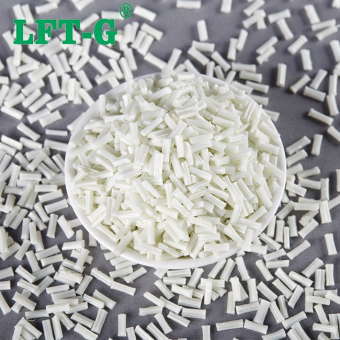
厦門LFT-Gナイロン6ポリアミド6複合長ガラス繊維改質プラスチック12mm原色PA6材料の概要 PA6(ポリアミド6)は、優れた性能バランスを備え、広く使用されているエンジニアリングプラスチックです。原材料の入手が容易でコスト効率が高いため、海外技術に依存せずに容易に使用できます。しかし、PA6には吸水性が高く、低温衝撃靭性が低く、寸法安定性が中程度であるなどの制約があります。これらの制約を克服するため、PA6はガラス繊維(GF)で強化され、機械的特性が向上することがよくあります。 PA6-LGF(長ガラス繊維強化PA6) 1. ガラス繊維含有量の影響 ガラス繊維含有量は、強化複合材料の性能を左右する重要な要素です。繊維含有量を増やすと繊維密度が高まり、繊維間のPA6マトリックスが薄くなります。これにより、衝撃靭性、引張強度、曲げ強度が向上します。 例:PA6-LGFの場合、繊維含有量を35%に増やすと、ノッチ付き衝撃強度が24.8 J/mから128.5 J/mに向上しました。ただし、繊維含有量が多すぎると衝撃強度が低下する可能性があります。また、繊維が応力を伝達し、破断時にエネルギーを吸収するため、曲げ強度も向上します。実験結果では、LGF 35%で最大4.99 GPaの曲げ弾性率が得られています。 2. 繊維保持長さの影響 繊維長は機械的特性に大きな影響を与えます。繊維長が臨界長より短い場合、繊維長を長くすることで樹脂と繊維の接着力が向上し、引張荷重に対する耐性が向上します。繊維長が臨界長を超えると、繊維端(亀裂発生点)の数が少なくなるため、繊維長が長くなり、衝撃エネルギーの吸収量が増加し、衝撃強度が向上します。 例:繊維含有量40%の場合、繊維長を4mmから13mmに増やすと、引張強度は154.8MPaから164.4MPaに向上し、曲げ強度とノッチ付き衝撃強度はそれぞれ24%と28%増加しました。繊維長が7mmを超えると、高温多湿下でも反り抵抗と機械的安定性が向上します。 技術データリファレンス(TDS) PA6-LGFは、製品の要件に応じて20~60%の長ガラス繊維で強化できます。強化されていないPA6と比較して、PA6-LGFは強度、耐熱性、耐衝撃性、寸法安定性が向上し、反りも低減します。以下のTDSは、PA6-LGF30のTDSデータを示しています。 PA6-LGFの用途 PA6-LGF は、自動車、電子/電気、機械/エンジニアリング部品に広く使用されています。 自動車部品 軽量化と小型化のトレンドにより、エンジン、電気システム、ボディ部品における PA6-LGF の使用が促進されています。 電子・電気部品 優れた難燃性と耐腐食性を備えた PA6-LGF は、配電装置、回路遮断器、接触器、コネクタ、ケーブル保護チューブに適しています。 機械・エンジニアリング部品 優れた耐衝撃性、耐摩耗性、自己潤滑性により、PA6-LGF は機械やエンジニアリング アクセサリに使用できます。 厦門LFT複合プラスチック株式会社について 厦門LFTは、長ガラス繊維(LGF)および長炭素繊維(LCF)強化熱可塑性プラスチックに特化しています。当社のLFT材料は、射出成形(LFT-G)、押出成形、LFT-D成形に対応しており、繊維長は5~25mmです。当社の製品はISO9001およびIATF16949認証を取得し、特許を取得しており、自動車、電子機器、産業、エンジニアリング用途で幅広く使用されています。もっと見る
-
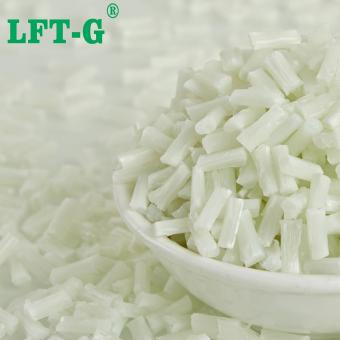
自動車用高強度PA12ナイロン12複合材LGFバージンホワイトカラー製品番号: PA12-NA-LGF 繊維仕様: 20%-60% 製品の特徴: 高強度、高靭性、耐久性 製品の用途: 自動車、スポーツ部品、太陽エネルギー、太陽光発電産業などの産業に適しています。
- ナイロン12充填長ガラス繊維強化プラスチック
- 耐久性と高い機械的特性
- 太陽光発電産業用化合物
- 射出成形グレードの熱可塑性樹脂
- 24時間対応のカスタマイズされたプラスチック、金属の代わりに
- サプライヤー価格良い価格PA6複合材料
タグ :
-
LFT-G PPSポリフェニレンサルファイドLGF複合長ガラス繊維カスタマイズエンジニアリングプラスチックPPS & PPS-LGF | 高性能エンジニアリングプラスチック PPS とは何ですか? ポリフェニレンサルファイド(PPS)は、優れた耐熱性、化学的安定性、難燃性、そして機械的強度で知られる高性能エンジニアリングプラスチックです。強化および改質により、PPSは物理的、機械的、電気的特性のバランスの取れた組み合わせを実現します。 PPS は、優れた寸法安定性、耐腐食性、電気絶縁性能を備えているため、過酷な産業環境に適しています。 PPSの主な特徴 優れた耐高温性 高い硬度と耐摩耗性 長期荷重下でも優れたクリープ耐性 広い温度範囲にわたって優れた電気特性 温度変化に対する機械的特性の感度が低い 未改質PPSは本質的に脆く、衝撃強度も比較的低い。これらの限界は、繊維強化と材料改質によって効果的に克服できる。 PPS-LGFとは何ですか? PPS-LGFは、長ガラス繊維強化ポリフェニレンサルファイド(PPS-LGF)の略です。エンジニアリングプラスチックの中でも、PPS-LGFは優れた耐熱性、構造強度、そして長期信頼性において際立っています。 熱たわみ温度(HDT)以上 260℃ PTFEに次ぐ耐薬品性 成形収縮率が低く、吸水性が非常に低い 優れた難燃性と耐振動疲労性 高湿度・高温環境でも優れた電気絶縁性 PPS-LGF は長ガラス繊維を組み込むことで靭性と衝撃強度を大幅に向上させ、純粋な PPS の脆さを克服し、優れた総合的な性能を発揮します。 多くの用途において、PPS-LGF はステンレス鋼、銅、アルミニウム、合金などの金属の代替として使用できるため、金属の代替や軽量設計に最適な素材です。 画像プレースホルダー PPS-LGFの応用 PPS-LGF は、次のような高強度、耐熱性、化学的安定性が求められる業界で広く使用されています。 自動車部品 航空宇宙構造 家電製品 機械および構造部品 化学処理装置 電気絶縁および耐腐食部品 製品詳細 学年 色 ペレットの長さ 最小注文数量 パッケージ サンプル 納期 積地港 PPS-NA-LGF30 ナチュラル(カスタマイズ可能) ≥ 5~25 mm 25キロ 25kg/袋 利用可能 発送後7~15日 厦門港 製造工程 当社の PPS-LGF 材料は、高度な長繊維含浸技術を使用して製造されており、優れた繊維長保持、均一な分散、安定した機械的性能を保証します。 商標と特許 当社の素材は、独自のテクノロジー、登録商標、特許取得済みのプロセスによってサポートされており、一貫した品質と信頼性の高いパフォーマンスを保証します。 チームと顧客 経験豊富な研究開発および生産チームに支えられた当社の PPS-LGF 材料は、自動車、工業、電気分野の世界中のお客様から信頼されています。 私たちが提供するもの LFTおよびLFRT材料の技術データと高度な設計サポート モールドフロント設計の推奨事項と最適化 射出成形および押出加工に関する専門的な技術サポートもっと見る
-
PLAプラスチック樹脂繊維強化熱可塑性コンパウンドかかる エネルギーが少ない 生産する 人民解放軍 石油由来の熱可塑性プラスチックよりも比較的 環境に優しい PLA は生分解性であると考えられることが多いです。もっと見る
-
厦門LFT PLAポリ乳酸化合物エンジニアリング用長ガラス繊維熱可塑性樹脂PLAプラスチック PLA(ポリ乳酸)はバイオベースのポリエステルであり、生分解性、生体適合性、高い機械的強度を有することから、最も有望な「グリーンプラスチック」の一つです。PLA製品は微生物によって二酸化炭素と水に完全に分解され、無毒で刺激性もありません。 PLAは機械的性質においてポリプロピレンに匹敵しますが、光沢、透明性、加工性はポリスチレンに類似しています。加工温度が低いため、射出成形、押出成形、ブロー成形、紡糸成形など、一般的なプラスチック加工方法で製造できます。PLAは、使い捨てプラスチック、包装材、繊維、不織布、化学、医療、製薬、3Dプリンターなどの業界で広く使用されています。PLAは、プラスチック汚染の削減に不可欠な素材としてますます認識されています。 PLA強化プラスチック ガラス繊維(グラスファイバー)は、優れた絶縁性、耐熱性、耐腐食性、そして高い機械的強度を備えた無機材料です。複合材料の補強材として広く使用されています。長繊維ガラスは通常、長さが10mmを超えます。 長ガラス繊維強化PLA(LGFPLA)は、10~25mmのガラス繊維を含み、成形時に3D構造を形成します。長繊維熱可塑性樹脂(LFT)に属します。ペレットサイズは、一般的に12mm(射出成形)または25mm(圧縮成形)です。ガラス繊維含有量は20%~60%で、色はカスタマイズ可能です。 LGFとSGFの利点 短繊維強化熱可塑性プラスチックと比較して、LFT には次の利点があります。 優れた機械的特性を得るための長い繊維長 高い比剛性と強度、優れた耐衝撃性、自動車部品に最適 耐クリープ性、寸法安定性、成形精度の向上 優れた耐疲労性 高温多湿環境における安定性の向上 繊維の可動性により成形時の繊維損傷が最小限に抑えられる 技術的な詳細 番号 色 長さ 繊維含有量 パッケージ サンプル 積地港 納期 PLA-NA-LGF ナチュラルまたはカスタマイズ 6-25mm 20%~60% 25kg/袋 利用可能 厦門港 発送後7~15日 ラボ&工場 厦門LFT複合プラスチック株式会社 厦門LFT複合プラスチック有限公司は、熱可塑性複合材料業界のベテランによって設立され、ガラス長繊維/炭素繊維強化熱可塑性プラスチック(LFT-G、LFRT、LFT)の開発・製造を専門としています。当社の製品は、軽量、高強度、耐衝撃性、耐熱性、リサイクル性、そして環境に優しいという特長を備えています。従来の材料と比較して、優れた耐腐食性、低コスト、そして優れた成形性を備えています。 当社のLFTシリーズ(LGFおよびLCF)には、PP、PA6、PA66、PPA、PA12、TPU、PBT、PLA、PET、PPS、PEEKが含まれます。家電、航空宇宙、自動車、軍事、医療機器、スポーツ用品、日用品など、幅広い用途に使用されています。製品には、ギア、ローラー、プーリー、ポンプインペラー、ファンブレードなどがあります。
- PLA強化プラスチックLGF生産PLA
- LFT-G PLA射出成形用改質材料
- 長ガラス繊維複合材PLA樹脂基本
- 中国製の長繊維PLAペレット30個
- 自己所有PLAポリマーメーカー直販
- PLA純粋ペレットバージングレードLFT
タグ :
-
自動車用高強度PA12ナイロン12複合材LGFバージンホワイトカラー製品番号: PA12-NA-LGF 繊維仕様: 20%-60% 製品の特徴: 高強度、高靭性、耐久性 製品の用途: 自動車、スポーツ部品、太陽エネルギー、太陽光発電産業などの産業に適しています。もっと見る
-
LFTポリプロピレン強化プラスチック長炭素繊維高性能12mmナチュラルカラーPP素材およびLFTソリューション PP素材 PPは、配位重合によってプロピレンをモノマーとして作られるポリマーであり、PE、PP、PVC、PS、ABSと並ぶ5大汎用プラスチックの1つである。 主な特性: 無色、無味、無毒。添加物なしでFDAおよびその他の食品グレード材料の要件を満たすことができる。 結晶構造のため、本来の色は乳白色の半透明で、PEよりも透明度が高い。 比重が0.9と低く、水と比べても最も軽いプラスチックの一つである。 優れた靭性、特に繰り返し曲げに対する耐性を持ち、一般に「100倍ゴム」として知られている。 PEよりも優れた耐熱性を持ち、最高120℃まで耐えられる。 加水分解に対する耐性が良好で、高温蒸気による滅菌が可能である。 優れた耐薬品性、特に酸に対する耐性を持ち、濃硫酸の保管に適しています。 屋外での使用は、光、紫外線、経年劣化の影響を受けやすい。 改質PP素材 PPに炭素繊維を充填することで、剛性と弾性率が向上し、収縮による変形が軽減されます。ただし、靭性は低下します。紫外線防止剤や老化防止剤を添加することで屋外での性能が向上し、難燃剤を添加することで耐火性が向上します。 TDSは参考用です SGF対LGF 長炭素繊維の仕様 応用 製品加工 私たちはあなたに提供します LFTおよびLFRT材料の技術的パラメータと最先端設計 金型前面のデザインと推奨事項 射出成形および押出成形に関する技術サポートもっと見る
-
厦門LFT-Gポリアミド6充填長炭素繊維強化熱可塑性材料HTML PA6長炭素繊維複合材 ポリアミド6(PA6) ナイロン6(PA6)は、軽量性、耐摩耗性、耐腐食性、優れた靭性を備えた汎用エンジニアリングプラスチックです。熱可塑性樹脂であるため、加熱すると軟化し、冷却すると硬化するため、繰り返し加工が可能です。 長炭素繊維 炭素繊維は、高強度、高弾性率、大きな比表面積、そして高い電気伝導性を備えています。ガラス繊維と比較すると、炭素繊維は繊維方向に沿って最大の強度を発揮します。炭素繊維強化複合材料は、軽量性を維持しながらポリマーマトリックス材料よりも強度が高く、電子機器、電気自動車、医療機器、産業機器、スポーツ・レジャー用品などにおいて、従来の金属材料に徐々に取って代わりつつあります。 LCF対SCF 長繊維炭素繊維充填の利点 高強度と高靭性 熱膨張係数が小さい 低硬度で軽量 耐腐食性および耐老化性 耐熱性 PA6のTDS(参考資料) PA6の応用 ヘルメット、自動車のバンパー、ランニングマシンなどの製造に適しています。 資格認定 工場と倉庫 チームと顧客 私たちについて 厦門LFT複合プラスチック有限公司は、LFTおよびLFRT(長繊維ガラス繊維シリーズ(LGF)および長繊維炭素繊維シリーズ(LCF))に特化したブランド企業です。当社の熱可塑性LFT材料は、LFT-G射出成形、押出成形、およびLFT-D成形に使用できます。繊維長は5~25mmの範囲でカスタマイズ可能です。当社の連続浸透強化熱可塑性樹脂はISO9001およびIATF16949認証を取得しており、製品は複数の国内商標および特許を保有しています。もっと見る
-
LFT-Gポリアミド12長炭素繊維強化ナイロン(自動車部品用)長炭素繊維 炭素繊維は、高い軸方向強度と弾性率、低密度、高い比性能、クリープなし、非酸化環境下での超高温耐性、優れた疲労耐性、非金属と金属の間の比熱と電気伝導率、小さな熱膨張係数と異方性、優れた耐食性、優れたX線透過性、優れた電気伝導性と熱伝導性、優れた電磁シールドなど、多くの優れた特性を備えています。従来のガラス繊維と比較すると、炭素繊維のヤング率は3倍以上、ケブラー繊維と比較すると約2倍のヤング率を持ち、有機溶剤、酸、アルカリに不溶性で膨潤し、優れた耐食性を備えています。 しかし、炭素繊維の価格を下げる方法はあるのだろうか?それは、比較的安価なナイロン素材と混合して、優れた性能を持ち、要求を満たす複合材料を形成することである。その場合、炭素繊維ナイロンが複合材料の中で確固たる地位を築くことは間違いないだろう。 ナイロン自体は優れた性能を持つエンジニアリングプラスチックですが、吸湿性があり、製品の寸法安定性が低いという欠点があります。強度と硬度も金属には遠く及びません。これらの欠点を克服するために、1970年代以前から、炭素繊維やその他の種類の繊維を補強材として使用して性能を向上させる試みが行われてきました。近年、炭素繊維強化ナイロン材料は急速に発展しています。これは、ナイロンと炭素繊維がエンジニアリングプラスチック材料の分野で優れた性能を持つため、その複合材料合成が両者の優位性を反映しており、例えば、強化されていないナイロンよりも強度と剛性がはるかに高く、高温クリープが小さく、熱安定性が大幅に向上し、寸法精度と耐摩耗性も良好で、優れた減衰性を持ち、ガラス繊維強化よりも優れた性能を持つためです。したがって、炭素繊維強化ナイロン(CF/PA)複合材料は近年急速に発展しています。そして、SLS技術を用いた3Dプリンティングは、炭素繊維強化ナイロンを実現するための最も適切な技術的手段です。 TDS(技術データシート)は参考用です。 応用 当社 厦門LFT複合プラスチック有限公司は、LFTおよびLFRTに特化したブランド企業です。長繊維ガラス繊維シリーズ(LGF)と長繊維炭素繊維シリーズ(LCF)を取り扱っています。同社の熱可塑性樹脂LFTは、LFT-G射出成形および押出成形に使用できるほか、LFT-D成形にも使用できます。長さは5~25mmで、お客様のご要望に応じて製造可能です。同社の連続浸透強化熱可塑性樹脂は、ISO9001および16949システム認証を取得しており、製品は多数の国内商標および特許を取得しています。
- 炭素繊維強化樹脂
タグ :
-
LFTポリアミド6化合物は、金属の代わりに長繊維ガラス繊維を使用し、高強度を実現しています。ポリアミド66プラスチックとは何ですか? PA66の融点は260~265℃、ガラス転移温度(乾燥状態)は50℃です。密度は1.13~1.16g/cm³です。 PA66は吸水率が低く、寸法安定性に優れ、剛性が高い。融点が高く、過酷な環境下でも長期間使用でき、幅広い温度範囲で十分な応力を維持できる。連続使用温度は105℃。 長繊維強化複合材 ガラス繊維強化プラスチックは、元の純粋なプラスチックにガラス繊維などの添加剤を充填することで、材料の用途範囲を拡大したものです。一般的に、ガラス繊維強化材料のほとんどは製品の構造部分に使用され、PP、ABS、PA66、PA6、TPU、PPA、PBT、PEEK、PPSなどの構造工学材料の一種です。 利点 1)ガラス繊維強化後、ガラス繊維は耐熱性に優れた材料であるため、強化プラスチックの耐熱温度はガラス繊維がない場合よりもはるかに高くなり、特にナイロンプラスチックで顕著です。 2)ガラス繊維強化後、ガラス繊維の添加により、プラスチックポリマー鎖の互いの動きが制限されるため、強化プラスチックの収縮が大幅に減少し、剛性が大幅に向上します。 3)ガラス繊維で強化すると、強化プラスチックは応力亀裂を起こさなくなり、同時にプラスチックの耐衝撃性が大幅に向上します。 4)ガラス繊維で強化すると、ガラス繊維は高強度材料となり、プラスチックの強度も大幅に向上します。例えば、引張強度、圧縮強度、曲げ強度などが大幅に向上します。 5)ガラス繊維強化後、ガラス繊維やその他の添加剤の添加により、強化プラスチックの燃焼性能が大幅に低下し、ほとんどの材料は着火しなくなり、一種の難燃性材料となります。 データシート(参考用) アプリケーション PA66は総合的な性能が優れており、高強度、良好な剛性、耐衝撃性、耐油性、耐薬品性、耐摩耗性、自己潤滑性などの利点を持ち、特に硬度、剛性、耐熱性、クリープ性能が優れています。 詳細 学年 光ファイバー仕様 主な特徴 アプリケーション 一般グレード 20%~60% 高い靭性(特に低温時) 、 優れたクリープ耐性と疲労耐性、 反りが少ない 自動車、電子機器および電気製品、スポーツ用品、電動工具、高速鉄道部品など。 強化耐性等級 20%~50% 高い衝撃強度 、 軽い質感 自動車、電子機器、スポーツ用品、電動工具、工具の柄、高速鉄道部品、歯車など。 ラボ&ファクトリー 会社概要 厦門LFT複合プラスチック有限公司は2009年に設立され、長繊維強化熱可塑性材料のブランドグローバルサプライヤーとして、製品の研究開発(R&D)、製造、販売マーケティングを統合しています。当社のLFT製品はISO9001および16949システム認証を取得しており、自動車、軍事部品および銃器、航空宇宙、新エネルギー、医療機器、風力発電、スポーツ用品など、幅広い分野で多数の国内商標および特許を取得しています。
- PA66ナイロンペレット強化プラスチック
- ポリアミド6エンジニアリングプラスチックLGF
- 低反り改質PA6 LGRF
- 射出成形用PA66自動車部品ポリマー
- ナイロン複合ペレット、ポリマー顆粒
- 長繊維強化プラスチックPA66
タグ :