24時間年中無休のオンラインサービス : +86 13950095727

#Eメール
  • シェア :

  • facebook
  • y
  • t
  • instagram
  • in
ブログ
ホーム / ブログ
Carbon Fiber Composites: The Secret Behind Ultra-Flexible Aircraft Wings 2026-02-28

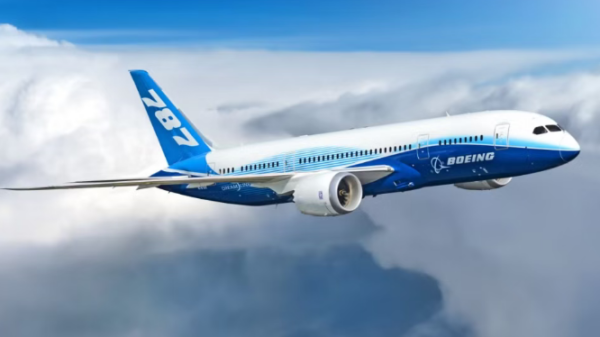
To this day, the Boeing 787 Dreamliner remains a core model in Boeing’s fleet. Despite years of delays for the Boeing 777X and controversies surrounding the 737 MAX, the 787 continues to stand out with its advanced design and exceptional fuel efficiency.

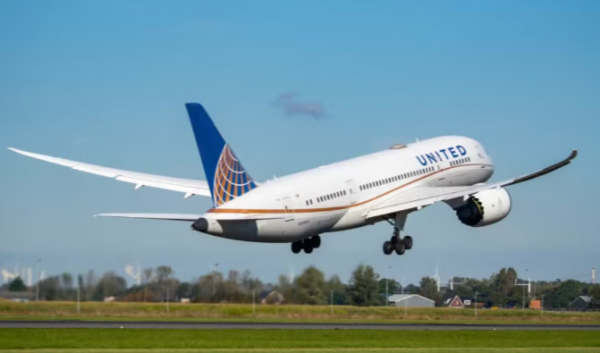
Boeing 787 wing
The Boeing 787 Dreamliner wing can flex up to 7.62 meters.

Wing flexibility is a routine consideration in aircraft design, but the 787’s wings achieve an extraordinary level. This is the result of integrated innovation in materials science, aerodynamics, and structural engineering—not mere aesthetics.

Boeing 787 Wings: Proven Extreme Flexibility

During airworthiness certification, Boeing loaded the wings to 150% of their design limit. Maximum deflection reached 7.62 meters, while normal operational flex is about 5.2 meters.

Wing deflection test
Certification testing ensures structural safety under extreme conditions.

Carbon Fiber Composites: The Core Driver

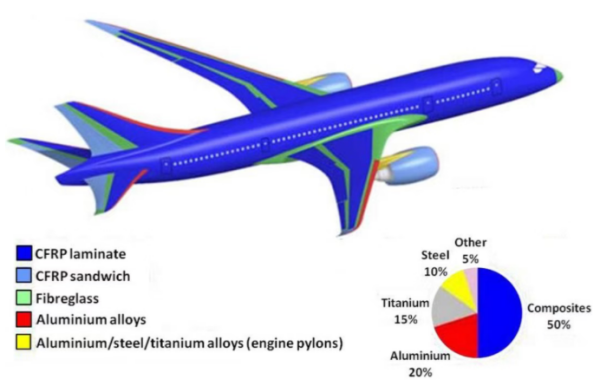
The 787’s wing flexibility stems from extensive use of carbon fiber reinforced polymer (CFRP). This advanced composite material combines high strength, light weight, and greater elasticity than traditional aluminum alloys.

The 787 was the first commercial aircraft to adopt CFRP at such scale, setting a new global benchmark in aerospace engineering.

Carbon fiber structure
Carbon fiber composites enable exceptional strength and elasticity.

Advantages of Flexible Wings

Flexible wings maintain a more uniform lift distribution, reduce localized structural stress, and enhance long-term durability. They also lower maintenance costs while improving aerodynamic efficiency and passenger comfort.

Operational Benefits

During takeoff and climb, when the aircraft is heaviest, wings reach peak deflection, optimizing fuel efficiency. Flexible wings also absorb gust loads, improving ride smoothness.

Both Boeing 787 and Airbus A350 incorporate gust load alleviation systems that work with flexible wings to enhance passenger comfort.

Engineering: Balancing Flexibility and Strength

Creating the 787’s wings involved extensive research, wind tunnel testing, and advanced CFD modeling. Key parameters like spar height, wing thickness, and composite material composition were optimized for both aerodynamic efficiency and structural stability.

CFD wing modeling
CFD simulations helped refine wing geometry and structural design.

Airbus vs. Boeing: Design Philosophy Differences

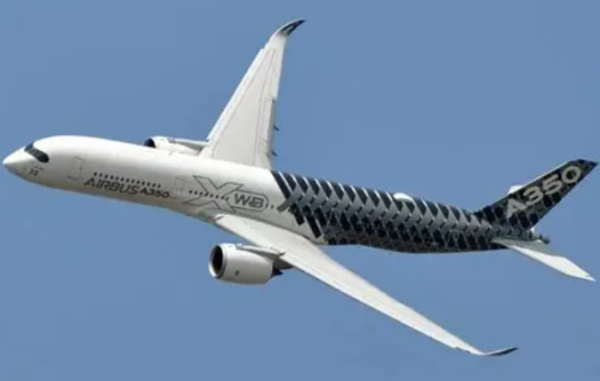
The Airbus A350 has lower wing flexibility due to its design choices. Its thicker, straighter wings with blended winglets contrast with the 787’s thinner, swept wingtips. A350’s larger wing area reduces wing loading, limiting deflection.

Airbus favors efficiency via stiffer wings, while Boeing achieves performance gains through flexible structures.

A350 vs 787 wings
Design differences illustrate distinct approaches to composite wing flexibility.

Conclusion

Both Boeing and Airbus have successfully integrated carbon fiber composites with advanced design technologies. The 787 and A350 are widely adopted today, demonstrating the feasibility and advantages of different technological approaches.

ニュースレター

-- 最新のトピックで最新情報を入手する

著作権 © 2015-2026 Xiamen LFT composite plastic Co.,ltd..すべての権利予約.

ホーム

製品

 ニュース

接触