24時間年中無休のオンラインサービス : +86 13950095727

#Eメール
  • シェア :

  • facebook
  • y
  • t
  • instagram
  • in
Possible Causes of Flash in PEEK Injection Molded Parts 2026-03-26

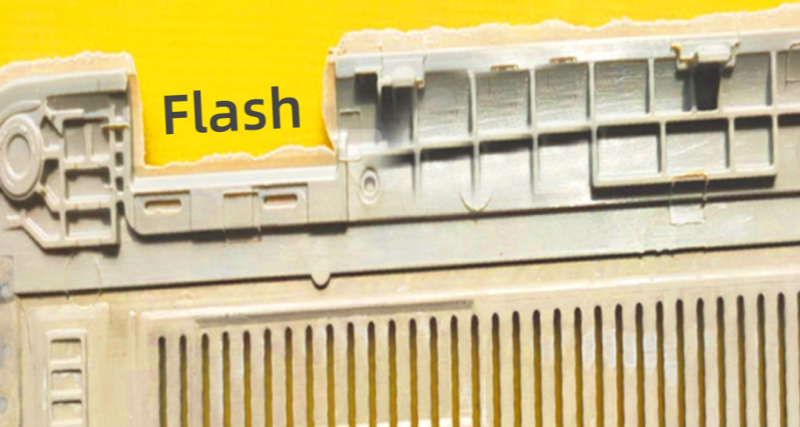
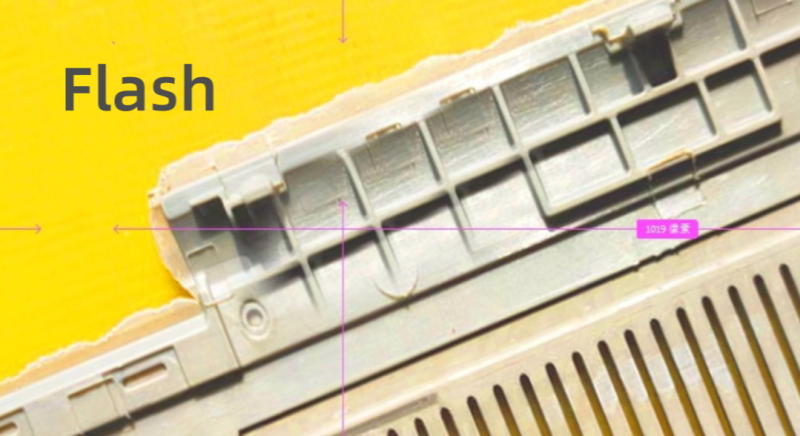
Flash in PEEK Injection Molding: 9 Common Causes

PEEK injection molding flash example

1. Part projected area exceeds the injection machine’s maximum allowable area

When the projected area of the part exceeds the maximum allowed by the injection molding machine, the nozzle may not adequately cover the entire surface, resulting in flash on the part.

2. Incorrect mold installation or uneven single-direction force

If the mold is installed incorrectly or subjected to uneven single-direction force, it may not clamp evenly, causing flash on the part surface.

3. Injection machine platens not parallel or tie rods unevenly deformed

When the injection machine’s platens are not parallel or the tie rods are unevenly deformed, the mold cannot be properly clamped, leading to flash formation.

4. Poor mold parallelism or obstructions at mold edges

If the mold parallelism is poor or the mold edges are obstructed, the molten plastic cannot fill the cavity evenly, which can result in flash on the surface of the part.

5. Poor parting line sealing, cavity/core misalignment, or excessive gap in sliding components

When the mold parting line does not seal properly, the cavity and core are misaligned, or sliding components have excessive clearance, molten plastic may escape from the cavity, producing flash on the part.

Injection molding mold defect example

6. Excessive melt flow and overfeeding

When the plastic has too high a flowability and the feed amount is excessive, the molten material may overflow while filling the mold cavity, resulting in flash on the part surface.

7. High melt or mold temperature

If the cavity melt temperature or mold temperature is too high, the plastic’s viscosity decreases and its flowability increases, which can cause flash formation.

8. Excessive injection pressure or high injection speed

When the injection pressure is too high or the injection speed too fast, the plastic may overflow due to excessive pressure while filling the cavity, leading to flash on the part surface.

9. Inconsistent or uneven clamping force

If the clamping force is not consistent or uneven, the mold may shift slightly during injection, causing flash on the part surface.

These are the common causes of flash in PEEK injection molding. Operators should carefully monitor and address these factors during production to prevent flash, improving both the quality and appearance of the molded parts.

ニュースレター

-- 最新のトピックで最新情報を入手する

著作権 © 2015-2026 Xiamen LFT composite plastic Co.,ltd..すべての権利予約.

ホーム

製品

 ニュース

接触