Eメール
Eメール 日本語
日本語 English
 français
 Deutsch
 русский
 italiano
 español
 português
 العربية
 한국의
한국의 中文
中文


-
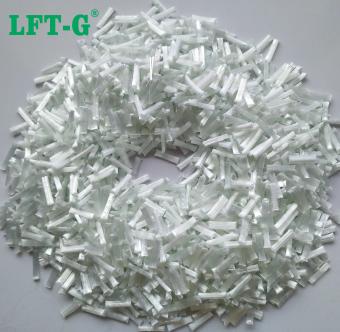
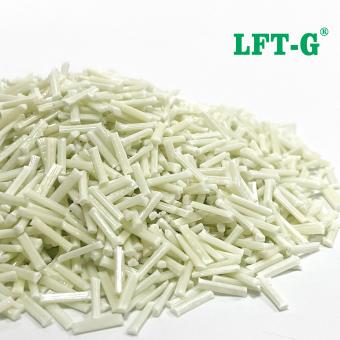
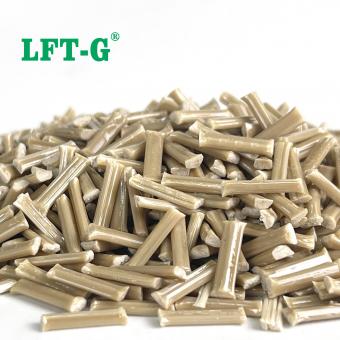
耐高温PPAガラス繊維ポリマー幅広い用途ポリフタルアミド(PPA) 半結晶性の芳香族ポリアミドです。ポリアミド、または ナイロン 、ファミリー。ナイロン6/6と比較すると、 より強く、より硬く、湿気に敏感ではなく、より高い熱能力を持っています さらに、それは以下のことに対して強い耐性を持っています 化学疲労 そして 機械的クリープ 。もっと見る
-
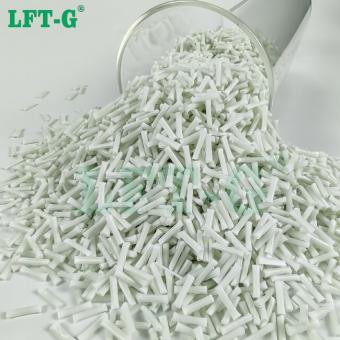
ホモポリマーポリプロピレン充填長炭素繊維射出成形高靭性ポリプロピレン 、別名 PP は、ポリオレフィンまたは飽和ポリオレフィンです ポリマー 。これは 低密度熱可塑性樹脂 と 耐熱性に優れている PP のその他の特性としては、耐薬品性、弾力性、強靭性、耐疲労性、電気絶縁性などがあります。もっと見る
-
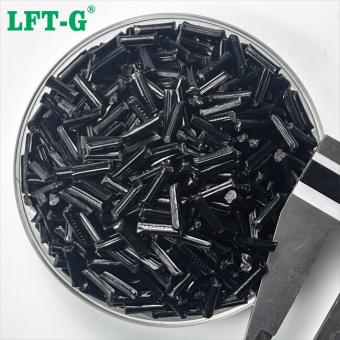
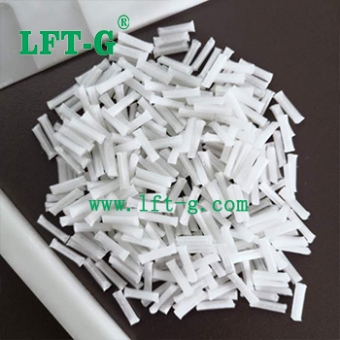
ポリプロピレン長炭素繊維充填PP高機械的特性ポリマーその 改質ポリプロピレン 強化された材料 炭素繊維 軽量、高弾性率、高比強度、低熱膨張係数、耐高温性、耐熱衝撃性、耐腐食性、優れた振動吸収性などの利点があり、自動車部品などに適用できます。 自動車 サブ機器アセンブリ。もっと見る
-
-
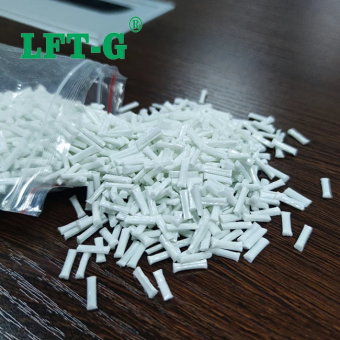
ポリアミド66複合材料長炭素繊維強化ペレット他の素材よりもポリアミドを選ぶ理由は、用途によって異なります。電気ケーブルの保護にポリアミドを使用する場合、PVC保護よりも優れた性能、柔軟性、耐衝撃性を備えています。自動車業界では、金属よりも安価で軽量であることから使用されています。機械業界では、高い柔軟性と耐久性から他の素材よりもポリアミドが使用されています。もっと見る
-
ポリアミド12充填長炭素繊維複合材料、自動車部品用高耐衝撃性ナイロンは繊維が細いにもかかわらず、強度が高く、長年の摩耗にも耐えます。弾力性に優れている理由の一つは、合成繊維であることです。ナイロンはあらゆる形状に成形できるため、柔軟性が求められる製品に適しています。ナイロンの柔軟性は、その天然の弾力性に由来しています。もっと見る
-
中国 炭素繊維 ポリフェニレンサルファイド改質化合物PPSは、優れた寸法安定性と熱安定性、そして260℃までの広い使用温度範囲と優れた耐薬品性を備えた、高性能で強靭なエンジニアリングプラスチックです。さらに、PPSは他の多くの熱可塑性プラスチックと同様に電気絶縁体です。 高温 PPSは熱安定性も備えているため、次のような用途に最適です。 機械、ベアリング、バルブシートの半導体部品 。もっと見る
-
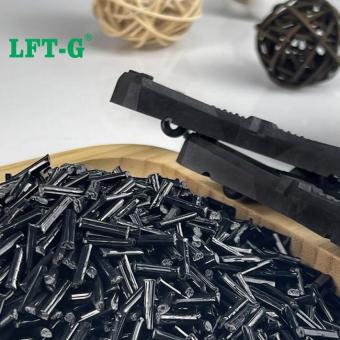
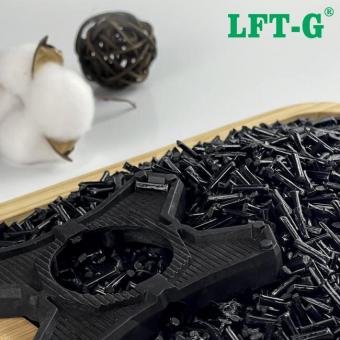
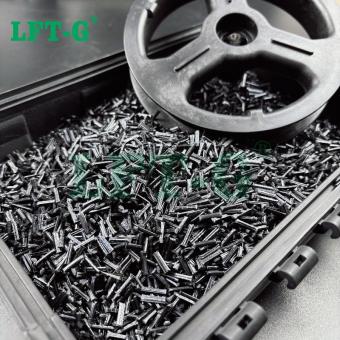
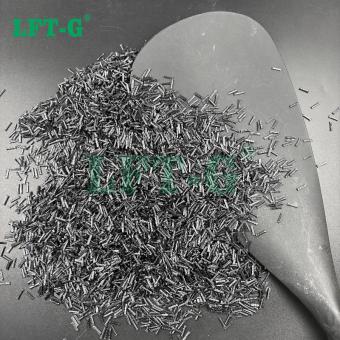
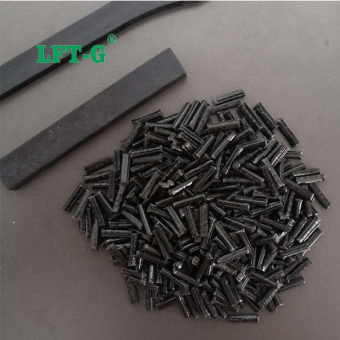
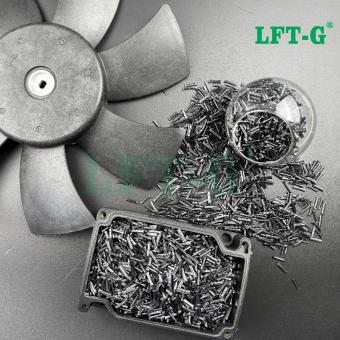
長炭素繊維強化ポリマーを含むポリプロピレンPP共重合体長繊維強化熱可塑性プラスチックは、重量がほんのわずかで金属の代替品として検討するのに最適な選択肢です。
- プラスチックの機械的性質の向上
- カスタマイズ材料高品質ISO
- 射出成形プラスチックエンジニアリング工場
- LCF 炭素繊維充填熱可塑性樹脂
- 長尺ペレットコンパウンドメーカー
- 連続繊維ロングカットの優れた性能
タグ :
-
HPP一般グレード充填材 長ガラス繊維 LGF ポリプロピレン改質プラスチック強化材料ポリプロピレン , also known as PP , is a polyolefin or saturated polymer . It is a low-density thermoplastic with good resistance to heat. Other characteristics of PP include: chemical resistance, elasticity, toughness, fatigue resistance, and electrical insulation capability.もっと見る
-
LFT-G PA6 ポリアミド6 ナイロン6 充填長ガラス繊維40 オリジナルカラー 自動車部品用PA6およびPA6-LGF長ガラス繊維強化ナイロン PA6, also known as Nylon 6, is a high-performance polyamide widely used in engineering plastics, fibers, and films. It is a thermoplastic polymer with repeating amide groups (-NH-CO-) in the main chain, offering strong mechanical properties and versatile processing capabilities. What is PA6 Plastic? PA6 is an aliphatic polyamide that provides excellent strength, wear resistance, and chemical resistance to weak acids, alkalis, and certain organic solvents. Its lightweight and processable nature make it widely applied in fibers, engineering plastics, and thin films. However, the polar amide groups in PA6 easily form hydrogen bonds with water molecules, which can result in high moisture absorption, dimensional changes, and reduced impact strength in dry or low-temperature conditions. Advantages of PA6 High mechanical strength and toughness with excellent tensile and compressive properties Outstanding fatigue resistance, maintaining strength after repeated bending High softening point, heat resistant Low friction and wear-resistant surface Corrosion resistance to alkalis, salts, weak acids, oils, and most solvents Self-extinguishing, non-toxic, odorless, and good weather and biological resistance Excellent electrical insulation even in high humidity environments Lightweight, easy to dye, and easy to mold due to low melting viscosity Limitations of PA6 High moisture absorption (up to 3% when saturated) Poor light and thermal stability; prolonged high-temperature exposure may cause discoloration and surface cracking Strict injection molding requirements; trace moisture can affect product quality Dimensional stability is sensitive to thermal expansion and wall thickness variations Not resistant to strong acids or oxidizing agents; unsuitable for acid-resistant applications Why Reinforce PA6 with Long Glass Fiber? To overcome the natural limitations of PA6, long glass fiber (LGF) reinforcement is applied. PA6-LGF composites combine the lightweight, chemical, and heat resistance of PA6 with the mechanical strength and dimensional stability of long glass fibers. LGF reinforcement improves tensile, compressive, and flexural strength, reduces shrinkage, enhances fatigue resistance, and provides improved thermal and chemical stability. This makes PA6-LGF ideal for high-performance structural components. Applications of PA6-LGF PA6 reinforced with 30% long glass fiber (30% LGF) is widely used in: Power tool shells and components Engineering machinery parts Automobile structural and functional components The composite improves mechanical strength, dimensional stability, heat resistance, aging resistance, and fatigue resistance. Its fatigue strength can be up to 2.5x that of unreinforced PA6. Processing and Forming Tips for 30% PA6-LGF Shrinkage is reduced to ~0.3% compared with 1–1.5% for pure PA6. Excessive fiber content may cause surface floating fibers and poor compatibility. 30% LGF is recommended for balanced performance. Recycled material content should be kept below 25% to avoid color and mechanical property degradation. Gradual cooling after molding prevents warping due to fiber orientation during injection molding. Mold design, gate position, and temperature control are critical. Customers & Staffs Certificatesもっと見る
-
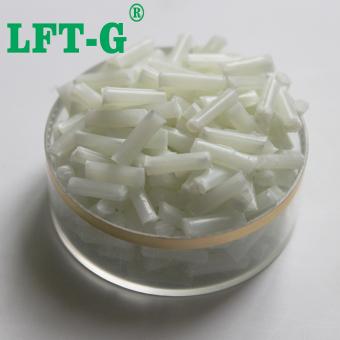
厦門LFT-G PLAポリ乳酸複合長ガラス繊維充填熱可塑性樹脂原色PLAプラスチック | 長ガラス繊維強化PLA(PLA-LGF) PLAとは何ですか? ポリ乳酸( 人民解放軍 )は、無公害プロセスで製造される、生分解性で環境に優しいポリマープラスチックです。PLAは環境中で自然に分解・リサイクルされるため、理想的なグリーンポリマー素材であり、最も代表的な生分解性プラスチックの一つです。 PLAの構造と耐熱性 PLAの分子構造は、耐熱性、靭性、機械的強度、分解性、生体適合性に影響を与えます。PLAは活性の低い螺旋状分子鎖を持つため、射出成形後の結晶化が遅く、耐熱性も比較的劣ります。また、熱処理中にエステル結合が部分的に切断され、末端カルボキシル基が生成され、熱分解が促進されることがあります。 長ガラス繊維(LGF)強化PLA 長ガラス繊維でPLAを補強する( PLA-LGF )は、機械的強度、剛性、耐熱性を向上させます。繊維は骨格支持体として機能し、加熱時のポリマー鎖の動きを制限し、熱安定性を高めます。 PLA強化用繊維の種類 PLA 強化に使用される繊維には以下のものがあります。 天然植物繊維:サイザル麻、亜麻、リネン、竹、ココナッツ、木質繊維 動物繊維:シルク 鉱物繊維:玄武岩繊維 化学繊維:ガラス繊維、炭素繊維 ガラス繊維と炭素繊維は、その高い強度と弾性率から広く使用されています。一方、天然繊維は生分解性と再生可能な資源であることから好まれています。PLAをブレンドした改質繊維は、ビカット軟化温度が140℃を超えることが示されています。 短繊維(SGF)と比較して 長ガラス繊維強化PLAは、短繊維(SGF)強化PLAと比較して優れた機械的特性を示します。長繊維強化PLAは、短繊維強化PLAと比較して1~3倍の靭性、0.5~1倍の引張強度と剛性を備えており、大型構造部品に適しています。 PLA-LGFの射出成形 ラボとテスト 倉庫と保管 認証 厦門LFT複合プラスチック株式会社について 厦門LFT複合プラスチック株式会社は、長繊維強化熱可塑性プラスチック(LFT)を専門としており、 人民解放軍
- PLA複合プラスチックはリサイクル可能
- ポリ乳酸材料の射出成形
- 改質PLA化合物
- pla長繊維ガラス強化プラスチック樹脂
- 長繊維ガラス充填プラサンプルあり
- lft-g pla lgf 低反り
タグ :
-